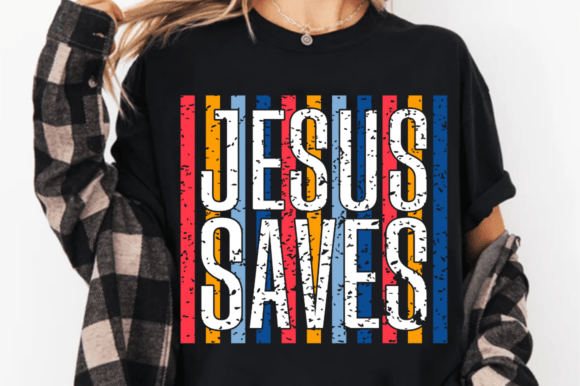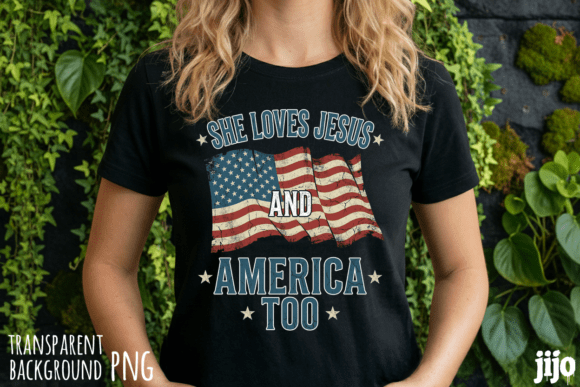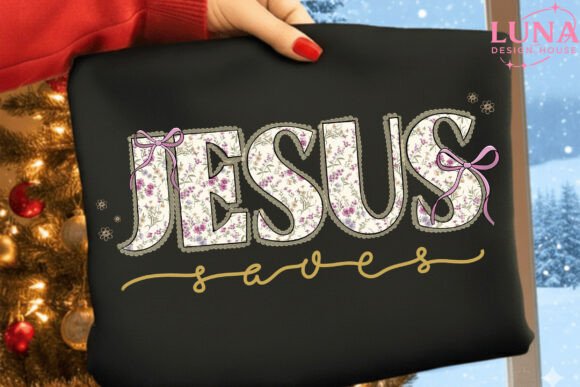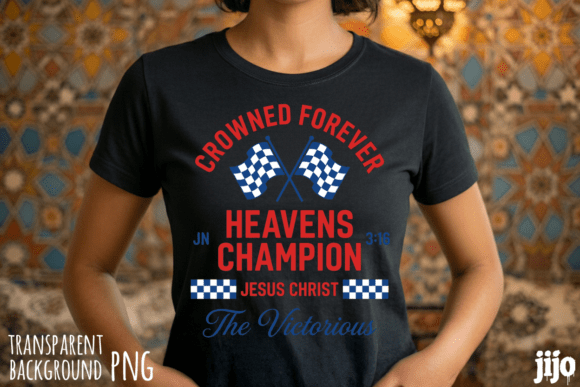
Jesus Saves USA 1776 2026 Patriotic SVG for T-Shirt Designs
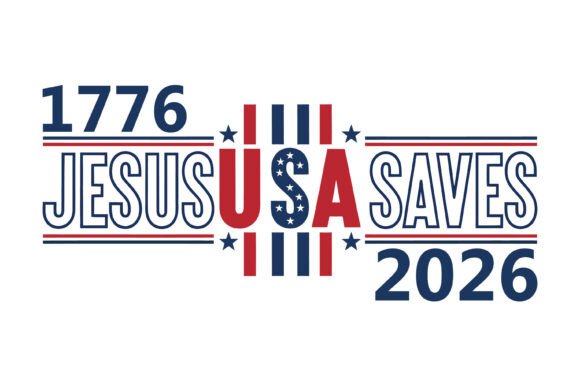
As a graphic designer who’s built brand identities for over a dozen faith-based small businesses—and shipped hundreds of print-ready assets for Etsy sellers, Cricut crafters, and print-on-demand brands—I opened Jesus Saves USA 1776 2026 Patriotic SVG expecting bold symbolism, not just decoration. What I found was a tightly composed, high-contrast graphic design asset that lands somewhere between vintage Americana and modern evangelical visual language: layered stars, clean star-spangled banner motifs, and a centered “Jesus Saves” declaration rendered in a strong, slightly serifed display font. It doesn’t whisper—it declares. That makes it powerful, but also demands intentionality.
This isn’t a background texture or subtle watermark. It’s a statement piece—ideal for a client launching a summer 2026 commemorative collection (think: “250 Years of Faith & Freedom”) for a handmade business selling apparel, mugs, and tote bags at local church fairs and patriotic festivals. The mood is reverent yet spirited; unapologetically patriotic without veering into caricature, and spiritually grounded without sacrificing visual energy. It reads as confident—not aggressive, not preachy, but anchored.
In real-world application, Jesus Saves USA 1776 2026 Patriotic SVG excels where thematic clarity matters most: t-shirt design (especially front-and-center placements), product mockups for Etsy listings, social media graphics announcing limited-edition drops, and printable wall art for faith-centered home offices or youth group spaces. Its vector structure holds up flawlessly in sublimation design, Cricut project layers, and large-format vinyl cuts. As a sticker design or iron-on transfer, it scales cleanly from 3” to 18”—a rare win for complex layered compositions. When dropped into Canva templates for Instagram posts or Pinterest pins, it instantly elevates the visual hierarchy by anchoring messaging with symbolic weight.
It shines brightest in hero graphics and campaign visuals: imagine it centered on a navy-blue tote bag mockup, or repeated as a subtle border on packaging design for a small-batch coffee brand with “Liberty Roast” branding. As part of a themed collection—paired with complementary SVGs like eagles, liberty bells, or open Bibles—it builds cohesive brand identity without needing custom illustration. For editorial design or blog visuals supporting faith-and-freedom content, it adds instant resonance without requiring explanation.
That said, this graphic design asset demands thoughtful placement. Avoid using Jesus Saves USA 1776 2026 Patriotic SVG in minimalist branding systems, corporate reports, or professional service websites where tonal neutrality is expected. It loses impact—and risks visual clutter—in crowded layouts, especially alongside dense body copy or multiple competing icons. On low-contrast backgrounds (e.g., light gray over beige), the star details can soften; on busy patterned fabrics or textured substrates, its layered elements may visually collapse. And while it works beautifully with bold sans-serif fonts for taglines, pairing it with delicate script fonts or ultra-thin serifs creates unintended tension—this asset commands presence, not delicacy.
Readability remains strong at medium-to-large sizes, but test rigorously below 2 inches: the “1776/2026” numerals and fine banner stripes begin to merge. Brand consistency hinges on how it’s framed—used alone, it projects conviction; paired with overly playful elements (cartoon mascots, neon gradients), it dilutes trust. Emotional appeal is high for its intended audience: it signals shared values fast. But for broader commercial design—say, a national retail campaign—it may feel too specific unless carefully contextualized within a larger narrative.
Before deploying Jesus Saves USA 1776 2026 Patriotic SVG for a client, here’s my checklist:
- Test it in black and white—verify all key shapes retain definition without color cues.
- Check contrast on both light and dark backgrounds, especially if used across web design and physical merchandise.
- Preview at actual usage sizes: 4” wide on a t-shirt chest, 2.5” tall on a sticker sheet, full-width in a Canva template header.
- Drop it onto realistic product mockups—not just white tees, but heather gray, navy, and kraft paper packaging—to assess warmth and balance.
- Confirm print quality by outputting a test run on your preferred DTG or screen-print provider; some fine linework may require slight stroke expansion.
- Review file formats included: Is the SVG truly editable (layers intact, paths ungrouped)? Does the PNG offer crisp transparency? Are there alternate color versions?
- Compare typography pairings: Try it with Montserrat Bold, Playfair Display, and even a restrained handwritten font like Cinzel Decorative—not for mixing, but to gauge visual harmony.
- Verify commercial license scope: Does it cover POD platforms, digital resale (e.g., as part of a design bundle), and client deliverables? Never assume.
For designers sourcing creative marketplace assets, this is a standout example of purpose-built digital product thinking: it serves a clear audience (faith-driven small business owners), solves a seasonal need (2026 commemorations), and delivers technical reliability (clean vectors, scalable detail). As a t-shirt design, it’s ready for production—but as a commercial design cornerstone, it earns its place only when aligned with authentic brand voice and strategic intent. Use it where conviction meets craftsmanship, and you’ll land something far more resonant than a trend: a visual anchor with staying power.